
INSPIRE
Innovation and Networking for Sport Professional Integration Resources in Europe
The INSPIRE project is funded under the Erasmus+ Youth programme of the European Union (call 2025) and last until March 31st.

Context
Over the past decade, European institutions have made youth employment a central priority in their social and economic policies. Despite various initiatives, youth unemployment remains high at 11.4%, and NEETs represent 11% of those aged 15–29 in Europe.The sports sector, which grew by 13.6% between 2021 and 2023, shows strong potential for creating opportunities for young people, as it employs a higher proportion of youth than other industries. However, many jobs in this sector require formal qualifications and strong soft skills, which can be barriers for NEETs. There is therefore a need for more inclusive and tailored professional integration schemes to help them access sustainable employment in this growing field.
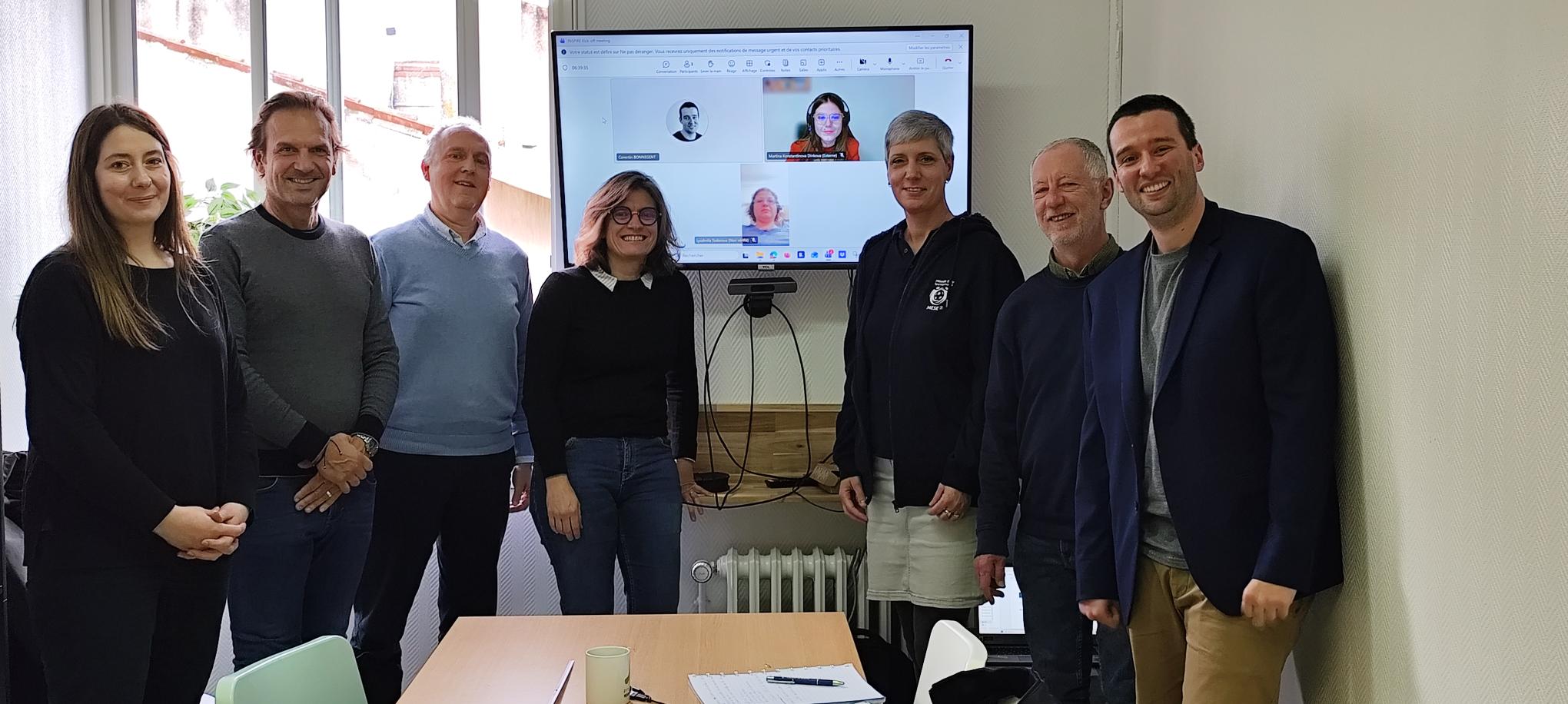
Needs adressed
Low attractiveness of careers in the sports sector
The sports sector may appear unattractive to young NEETs youth because many roles and professions are perceived as low-paid, insecure, and lacking clear career pathways.
Insufficient employability among young NEETs for sports jobs
Approximately 11% of the European age category 15 to 29 are considered NEETs (Eurostat, 2024). Although some NEETs may participate in sports activities, they often lack structured pathways into sports-related employment due to limited access to tailored training, soft skills development, and professional opportunities.
Lack of professionalisation and qualification in the sports sector
There is a significant skills gap in sports professions: many positions require regulated qualifications, yet young NEETs and current staff often lack these credentials, resulting in qualification mismatches and persistent labor shortages in the sector.
PARTNERSHIP


Fédération Nationale
Profession Sport & Loisirs
France
profession-sport-loisirs.fr
Ministry of Youth and Sports
Bulgaria
mpes.government.bg
APOGESD
Portugal
apogesd.pt
Seconde Chance Sports Association
Hungary
tcaifoci.hu
EXPECTED RESULTS
Mapping and analysis
A comprehensive overview and analysis of existing professional integration schemes in the sports sector across Europe, identifying best practices and gaps in supporting young NEETs.
Stakeholder Engagement
National and European consultations with key stakeholders (public authorities, sports federations, NGOs, and youth organizations) to foster collaboration and share knowledge.
Practical Resources
A final report and sustainability plan, offering actionable recommendations and a knowledge base for policymakers, practitioners, and organizations to improve youth employability in sport.
Awareness and Visibility
Increased awareness of the sports sector’s potential for social inclusion and employability, pro moted through a European webinar, multilingual leaflets, and a dedicated project website.
NEWS
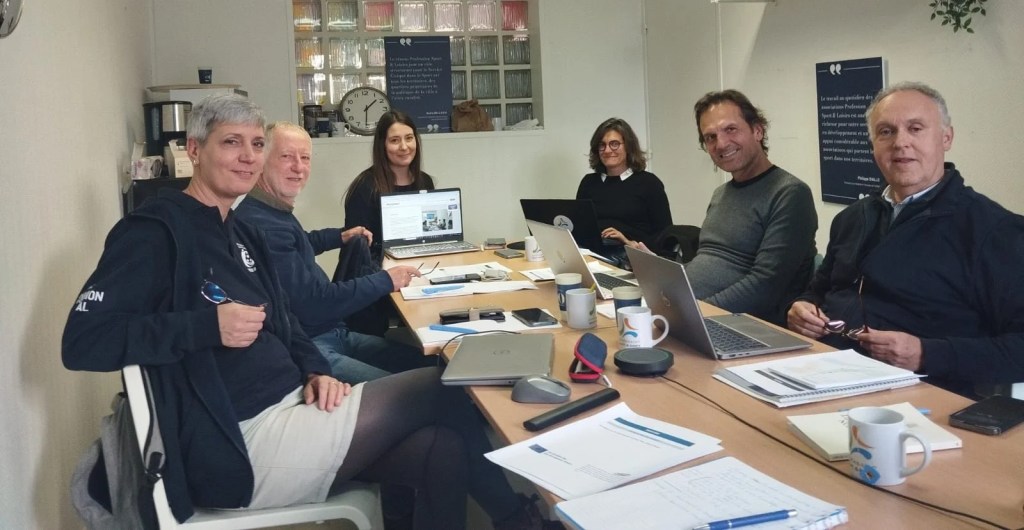
12 décembre 2025

A venir
INSPIRE website is now live

